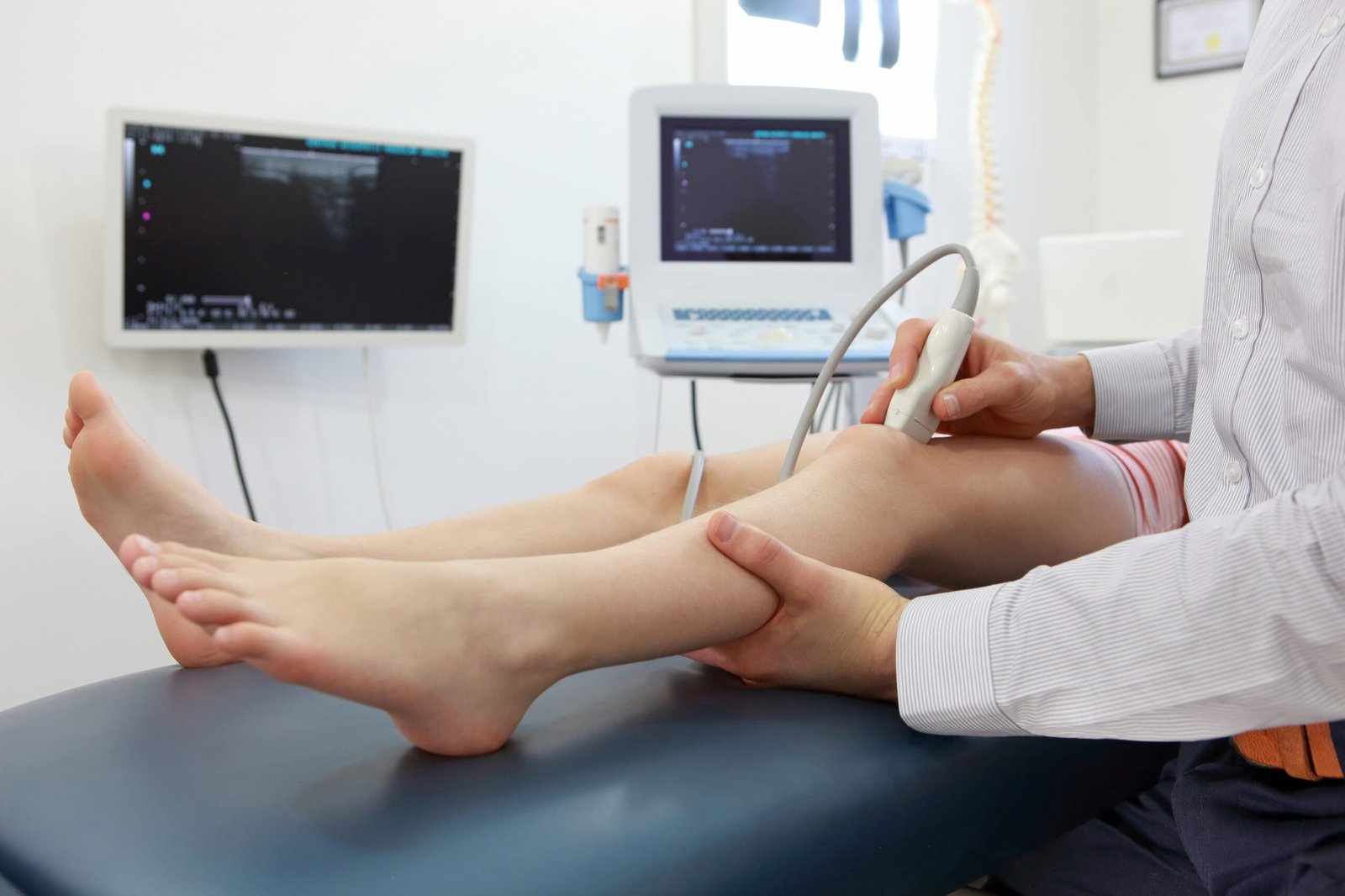
What are the signs you need a musculoskeletal specialist?
You should consider seeing a musculoskeletal specialist if you have persistent joint or muscle pain, swelling, reduced mobility, repeated sports injuries, pain lasting more than a few weeks, difficulty performing daily activities, or symptoms that do not improve with self-care. Early assessment can help identify the cause and guide appropriate treatment.
Introduction
Musculoskeletal (MSK) conditions affect the muscles, bones, joints, tendons, ligaments and soft tissues that support movement. They are among the leading causes of pain and reduced mobility, affecting people of all ages—from office workers and active adults to athletes and older individuals.
Many musculoskeletal problems improve with rest and simple self-care. However, persistent pain, recurring injuries or difficulty carrying out everyday activities may indicate an underlying condition that requires specialist assessment.
In this guide, we highlight 10 signs that suggest it may be time to consult a musculoskeletal specialist and explain how early diagnosis and treatment can support recovery and help prevent long-term complications.
What Does a Musculoskeletal Specialist Do?
- Diagnoses muscle, bone and joint conditions
- Performs physical assessments
- Uses diagnostic ultrasound where appropriate
- Recommends non-surgical treatments
- Provides ultrasound-guided injections
- Manages sports injuries
- Creates personalised rehabilitation plans
10 Signs You Need a Musculoskeletal Specialist
1. Your Pain Lasts More Than Two to Four Weeks
Pain that doesn’t improve with rest or self-management should be assessed to identify the underlying cause.
2. Joint Pain Is Affecting Everyday Activities
Difficulty walking, climbing stairs, lifting objects or working comfortably may indicate a condition that requires specialist care.
3. You Have Repeated Sports Injuries
Recurring sprains, tendon injuries or muscle strains may suggest an underlying biomechanical issue or incomplete recovery.
4. You Notice Swelling, Stiffness or Reduced Mobility
Persistent swelling or limited movement in a joint should be assessed, particularly if symptoms interfere with daily life.
5. Your Pain Keeps Returning
Pain that improves but repeatedly returns may require further investigation and a personalised treatment plan.
6. Over-the-Counter Pain Relief Is No Longer Helping
If pain persists despite self-care measures or medication, a specialist assessment may identify more effective treatment options.
These symptoms may indicate nerve involvement and should be assessed promptly.
9. You’re Trying to Avoid Surgery
10. You’re Unsure What’s Causing Your Pain
If the cause of your symptoms isn’t clear, a musculoskeletal specialist can provide a detailed assessment and recommend appropriate investigations where necessary.
Conditions Commonly Treated by Musculoskeletal Specialists
- Knee osteoarthritis
- Shoulder pain
- Frozen shoulder
- Rotator cuff injuries
- Tennis elbow
- Golfer’s elbow
- Hip bursitis
- Plantar fasciitis
- Achilles tendinopathy
- Back pain
- Neck pain
- Sports injuries
- Tendon disorders
- Ligament injuries
How Is a Musculoskeletal Condition Diagnosed?
- Medical history
- Physical examination
- Functional assessment
- Diagnostic ultrasound
- X-ray (if required)
- MRI (when clinically appropriate)
Treatment Options
Conservative Management
- Physiotherapy
- Exercise programmes
- Activity modification
- Pain management
Injection Therapies
- Ultrasound-guided corticosteroid injections
- PRP injections
- Arthrosamid injections (for suitable patients with knee osteoarthritis)
Rehabilitation
- Strengthening exercises
- Return-to-sport plans
- Mobility programmes
Treatment Options for Knee Pain
Conservative treatments
• Activity modification
• Physiotherapy
• Exercise programme
• Weight management
• Medication
Injection therapies
• Ultrasound-guided steroid injections
• PRP injections
• Arthrosamid injections (for suitable patients with knee osteoarthritis)
Frequently Asked Questions
What does a musculoskeletal specialist treat?
A musculoskeletal specialist diagnoses and manages conditions affecting the muscles, bones, joints, tendons, ligaments and other soft tissues. Common conditions include arthritis, sports injuries, tendon disorders, back pain, shoulder pain and knee pain.
When should I see a musculoskeletal specialist?
You should consider seeing a specialist if your pain lasts longer than a few weeks, keeps returning, limits daily activities, follows an injury or does not improve with conservative treatment.
Do I need a referral?
This depends on your healthcare pathway and insurer. Many private clinics allow patients to book directly, while some insurers or NHS pathways may require a referral.
Can a musculoskeletal specialist help without surgery?
Yes. Many musculoskeletal conditions can be managed with non-surgical treatments such as physiotherapy, rehabilitation, activity modification and image-guided injections, depending on the diagnosis.
What happens during my first appointment?
Your specialist will discuss your symptoms, review your medical history, perform a physical examination and recommend any necessary investigations or treatment options.
Do musculoskeletal specialists use ultrasound?
Yes. Diagnostic ultrasound may be used to assess muscles, tendons, ligaments and joints in real time. It can also assist with ultrasound-guided injections when clinically appropriate.
Can sports injuries be treated without surgery?
Many sports injuries respond well to conservative treatment, although the most appropriate approach depends on the type and severity of the injury.
Which conditions may require injections?
Some patients with arthritis, tendon disorders or inflammatory conditions may benefit from image-guided injections following specialist assessment.
What’s the difference between a physiotherapist and a musculoskeletal specialist?
A physiotherapist focuses on rehabilitation and exercise-based treatment. A musculoskeletal specialist provides medical diagnosis, orders investigations when needed, and can offer additional treatment options such as prescription medication or image-guided injections where appropriate.
How do I book an appointment?
You can contact Krida to arrange a consultation with one of our musculoskeletal specialists, who will assess your symptoms and recommend an individualised treatment plan.
Conclusion
Persistent pain should never be accepted as a normal part of daily life. Whether you’re recovering from a sports injury, living with arthritis or struggling with ongoing joint or muscle pain, an early assessment can help identify the cause and guide the most appropriate treatment.
At Krida, our experienced musculoskeletal specialists provide comprehensive assessments, diagnostic ultrasound and personalised treatment plans for a wide range of musculoskeletal conditions. We offer evidence-based, non-surgical treatments—including rehabilitation advice, ultrasound-guided injections, PRP therapy and Arthrosamid for suitable patients—to help reduce pain, restore movement and support long-term recovery.
If your symptoms are affecting your mobility or quality of life, book a consultation with Krida to receive expert advice and a treatment plan tailored to your individual needs.