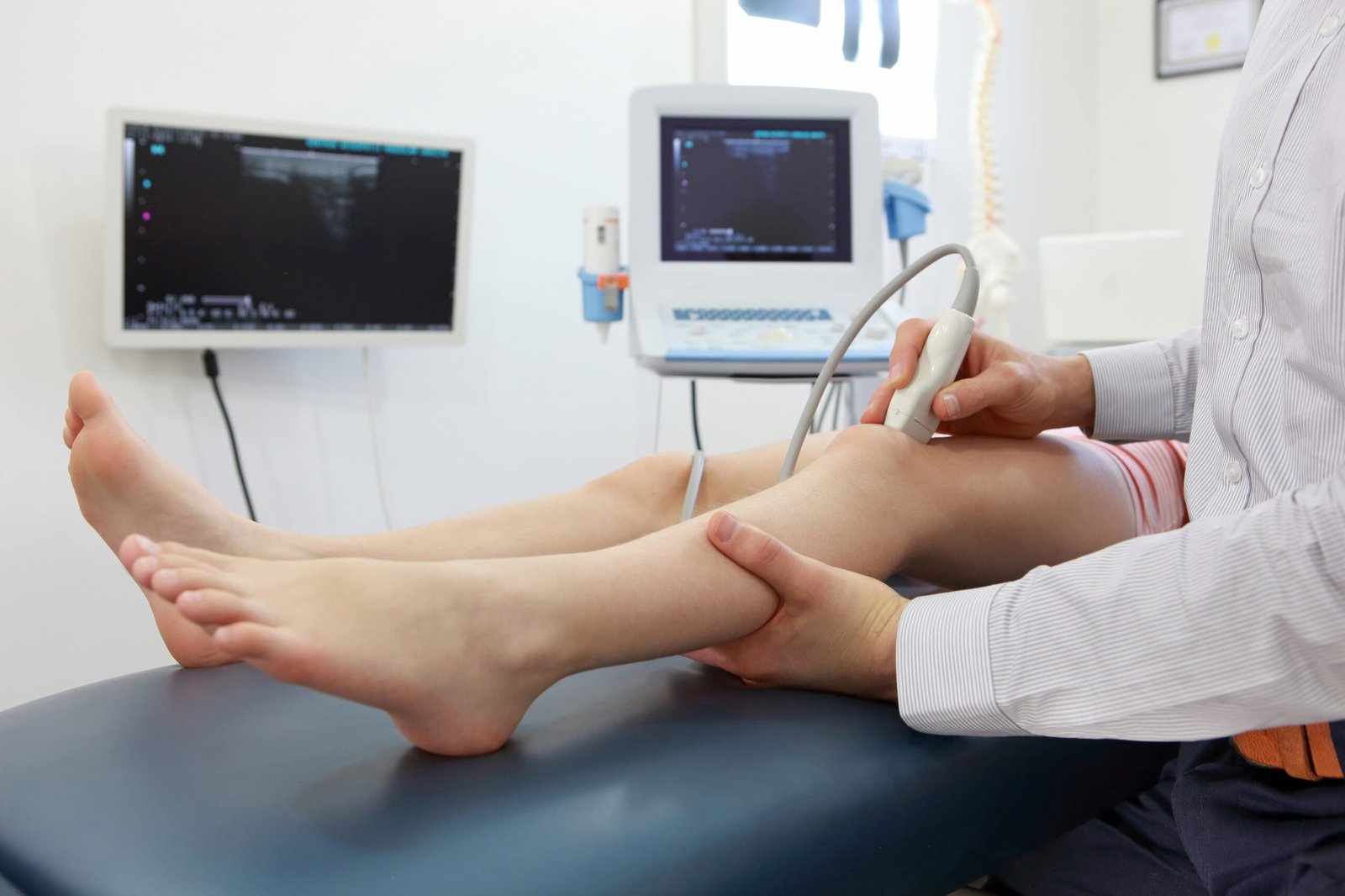
When should you see a specialist for knee pain?
You should see a knee specialist if your pain lasts more than a few weeks, keeps returning, affects walking or climbing stairs, causes swelling or instability, follows an injury, or does not improve with rest and conservative treatment. Early assessment can help identify the cause and prevent the condition from worsening.
Introduction
Knee pain is one of the most common musculoskeletal complaints in the UK and can affect people of all ages. Whether it develops gradually because of osteoarthritis or suddenly after a sports injury, persistent knee pain can make everyday activities such as walking, climbing stairs and exercising increasingly difficult.
While many cases improve with rest and self-care, ongoing or worsening symptoms should not be ignored. Seeing a musculoskeletal specialist early can help identify the underlying cause, confirm a diagnosis and recommend the most appropriate treatment.
This guide explains when you should seek specialist advice, the common causes of knee pain, how it is diagnosed and the treatment options available.
What Causes Knee Pain?
• Osteoarthritis
• Meniscus tear
• Ligament injury (ACL, MCL)
• Tendon injuries
• Runner’s knee
• Bursitis
• Cartilage damage
• Patellofemoral pain syndrome
• Rheumatoid arthritis
• Gout
8 Signs You Should See a Knee Specialist
1. Pain lasting longer than 2–4 weeks
2. Difficulty walking
3. Swelling that doesn’t settle
4. Knee giving way
5. Locking or catching
6. Pain after a sports injury
7. Night pain
8. Pain affecting everyday life
How Is Knee Pain Diagnosed?
• Medical history
• Physical examination
• MSK ultrasound
• X-ray
• MRI (when appropriate)
Treatment Options for Knee Pain
Conservative treatments
• Activity modification
• Physiotherapy
• Exercise programme
• Weight management
• Medication
Injection therapies
• Ultrasound-guided steroid injections
• PRP injections
• Arthrosamid injections (for suitable patients with knee osteoarthritis)
Can Knee Pain Be Treated Without Surgery?
Yes.
When Should You Seek Emergency Medical Attention?
• Severe injury
• Cannot bear weight
• Major swelling after trauma
• Fever with swollen knee
• Open wound
• Severe deformity
Frequently Asked Questions
1. How long should knee pain last before seeing a specialist?
If your knee pain lasts for more than 2–4 weeks, keeps returning, or doesn’t improve with rest, activity modification, or over-the-counter pain relief, it’s advisable to see a specialist. You should also seek assessment sooner if your pain follows an injury, causes swelling, instability, or makes it difficult to walk or carry out everyday activities. Early diagnosis can help identify the underlying cause and prevent symptoms from worsening.
2. Is knee pain always arthritis?
No. While osteoarthritis is a common cause of knee pain, especially in older adults, many other conditions can cause similar symptoms. These include ligament injuries, meniscus tears, tendon problems, bursitis, cartilage damage, patellofemoral pain syndrome and sports injuries. A specialist assessment is important to determine the exact cause and recommend the most appropriate treatment.
3. What is the most common cause of knee pain?
The most common causes of knee pain include osteoarthritis, ligament injuries, meniscus tears, tendon disorders and overuse injuries. The underlying cause often depends on your age, activity level, medical history and whether the pain developed gradually or after an injury. A clinical examination, and where appropriate imaging, can help establish the diagnosis.
4. Can I walk with knee pain?
In many cases, gentle walking is safe and may even help maintain joint mobility. However, if your knee pain is severe, causes instability, follows a significant injury, or worsens during activity, you should avoid excessive strain and seek medical advice. A specialist can recommend the most appropriate level of activity based on your condition.
5. When do I need an MRI?
An MRI may be recommended if your symptoms suggest damage to the ligaments, cartilage, meniscus or other soft tissues, particularly when the diagnosis remains unclear after a clinical examination. Not everyone with knee pain requires an MRI. Depending on your symptoms, your specialist may first recommend an X-ray or musculoskeletal ultrasound before deciding whether further imaging is necessary.
6. Can PRP help knee pain?
Platelet-Rich Plasma (PRP) therapy may help some patients with certain musculoskeletal conditions, including mild to moderate knee osteoarthritis and some tendon injuries. PRP uses a concentration of your own platelets, which contain growth factors involved in tissue repair. Suitability depends on your diagnosis, symptoms and overall health, and your specialist will discuss whether PRP is an appropriate treatment option.
7. Is Arthrosamid suitable for everyone?
No. Arthrosamid is not suitable for every patient with knee pain. It is primarily used for selected individuals with knee osteoarthritis after a thorough clinical assessment. Factors such as the severity of arthritis, medical history, overall health and previous treatments will help determine whether Arthrosamid is the most appropriate option.
8. Are ultrasound-guided injections better?
Ultrasound-guided injections allow clinicians to visualise the joint, tendon or soft tissue in real time, helping to guide the needle accurately to the intended treatment area. This can be particularly beneficial when treating small joints, tendons or complex anatomical structures. Whether ultrasound guidance is recommended depends on your condition, the treatment being performed and your clinician’s assessment.
9. Can knee pain heal without surgery?
Yes. Many causes of knee pain can be managed successfully without surgery. Depending on the diagnosis, treatment may include physiotherapy, activity modification, exercise programmes, pain management, weight management and image-guided injection therapies such as corticosteroid injections, PRP or Arthrosamid for suitable patients. Surgery is generally considered only when conservative treatments have not provided adequate relief or when clinically indicated.
10. Which doctor should I see for knee pain?
If your knee pain persists, worsens or limits your daily activities, you should consult a healthcare professional with expertise in musculoskeletal (MSK) conditions, such as a sports and exercise medicine specialist, orthopaedic specialist or another clinician experienced in diagnosing and treating joint disorders. At Krida, our musculoskeletal specialists provide comprehensive assessments and personalised treatment plans, including diagnostic ultrasound and non-surgical treatment options where appropriate.
Conclusion
Persistent knee pain should never be ignored, particularly if it limits your mobility, keeps returning or affects your quality of life. An early diagnosis can help identify the underlying cause and allow treatment to begin before symptoms progress.
At Krida, our experienced musculoskeletal specialists provide comprehensive assessments and personalised treatment plans for a wide range of knee conditions. Using advanced diagnostic ultrasound and evidence-based treatments—including physiotherapy guidance, ultrasound-guided injections, PRP therapy and Arthrosamid for suitable patients—we aim to help you reduce pain, restore movement and return to your everyday activities.
If you’re living with ongoing knee pain, book a consultation with Krida to receive an expert assessment and discuss the treatment options that are most appropriate for your condition.